- Tapestry
- Posts
- Is Protein Overplayed?
Is Protein Overplayed?
A reality check on America's obsession

Pam Miller
February 04, 2026 • Estimated Reading Time: 2 minutes
Hello, dear readers. In this issue:
Are we preoccupied with protein?
Is more protein = better health" a myth?
How much protein is enough?
Designing your best life (free download)
Moment of Zen
Are we preoccupied with protein?
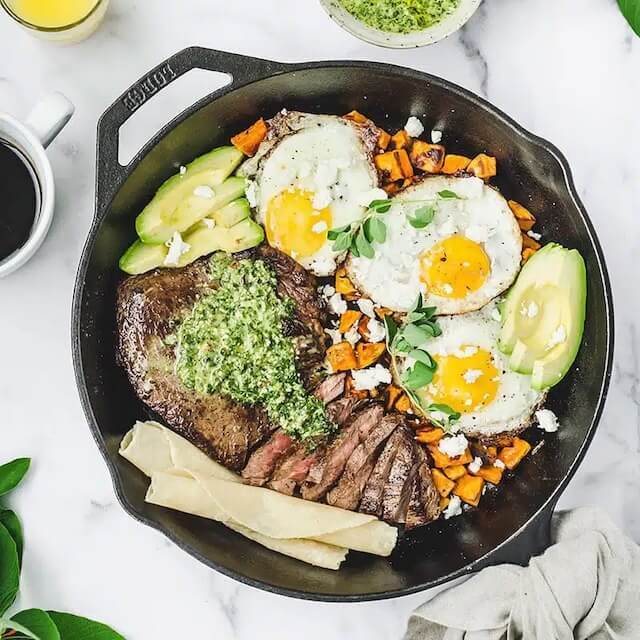
Courtesy of Beef Loving Texans
Here's something that may surprise you: most Americans eat too much protein. Could you be one of them?
If you are, you may be depriving yourself of essential nutrients such as fiber, carbohydrates, vitamins, and minerals found in vegetables, fruit, beans, grains, seeds, and nuts. Protein is filling, often not leaving room to include these important food groups.
Food Surveys Research Group (FSRG), Beltsville, MD, found that American men consume about twice the recommended daily allowance of protein, while women eat roughly 50% more than they need. On average, we're downing about 2.9 ounces of protein daily – that's about 20% more than what nutrition experts recommend.
So, why do so much of the foods we buy promote a high protein content? According to BBC Science Focus, it's because of one thing: high protein means higher sales. The protein craze has caught on and become so normalized that it’s easy to believe there's no such thing as enough.
That's not science, it's marketing.

Is "more protein = better health" a myth?

In simple terms, yes. While we all need protein for our bodies to function, if you eat more than needed, the liver converts the excess into fat through a process called de novo lipogenesis. Unlike regular fat that goes to your hips, this is visceral fat. It's stored deep within the abdominal cavity and increases the risk for type 2 diabetes, high blood pressure, high cholesterol, and heart disease.
So, how much protein is enough?
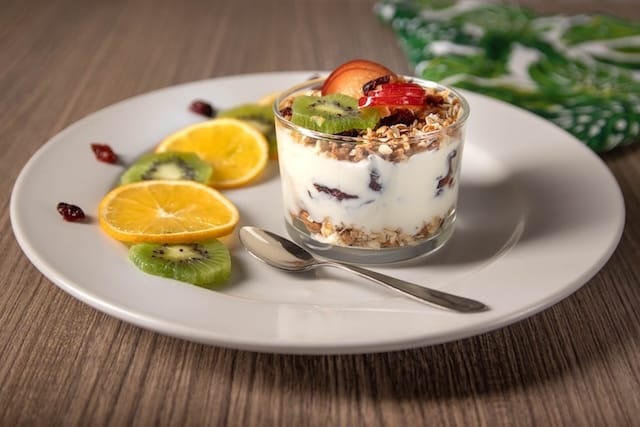
The renowned MD Anderson Center offers a valuable guide to help you understand how much protein you need. You can also access a nutrition calculator from My Fitness Pal.
To get your protein intake on track, the National Council on Aging recommends that older adults:
Aim for about 1.0-1.2 grams of protein per kilogram of body weight (or 70-80 grams of protein per day for most older adults)
Spread protein intake evenly throughout the day; include high-protein foods for each meal and snack
Track what you eat for a few days to understand your average protein intake and adjust as needed
Designing your best life: Getting everything you need

Eating the right amount of protein is just as important as any other nutrient. The widely acclaimed Mediterranean, MIND, and DASH diets make this easier. Each plan offers variety and flexibility: you can stick to one, combine them, or follow the diet most of the time.
And you can easily adapt your favorite foods to these plans. Craving pizza? Instead of pepperoni, sausage, or bacon, load it up with veggies, cut back on the cheese or use low-fat, and voila! You got what you wanted to eat without any regrets.
Download this quick reference to get started:
|

The content provided here is for general informational purposes only and should not be considered a substitute for professional medical advice, diagnosis, or treatment. Always seek the advice of your physician or other qualified healthcare provider before making any changes to your health routine, and never disregard professional medical advice based on information you read here.
What did you think of this week's newsletter? |
Reply to this newsletter with any other feedback. We read and respond to every email.
And now, your moment of zen…

“When a man is always mindful,
Knowing moderation in the food he eats,
His ailments then diminish:
He ages slowly, guarding his life.”
- Buddhist saying