- Tapestry
- Posts
- Paging Doctor Google
Paging Doctor Google
Making the right call

Pam Miller
April 09, 2026 • Estimated Reading Time: 4 minutes
Hello, dear readers. In this issue:
Online medical advice: When is it okay?
Symptom checkers
What to keep in mind
Wearables 101: How to interpret your data
Designing your best life: Satisfying snacks
Did you know…?
Congratulations to Anastasha in Denver for winning a $50 gift card for taking our survey!
Online medical advice 101
Courtesy of Hallett's Medical Services
Many of us have been there in one way or another.
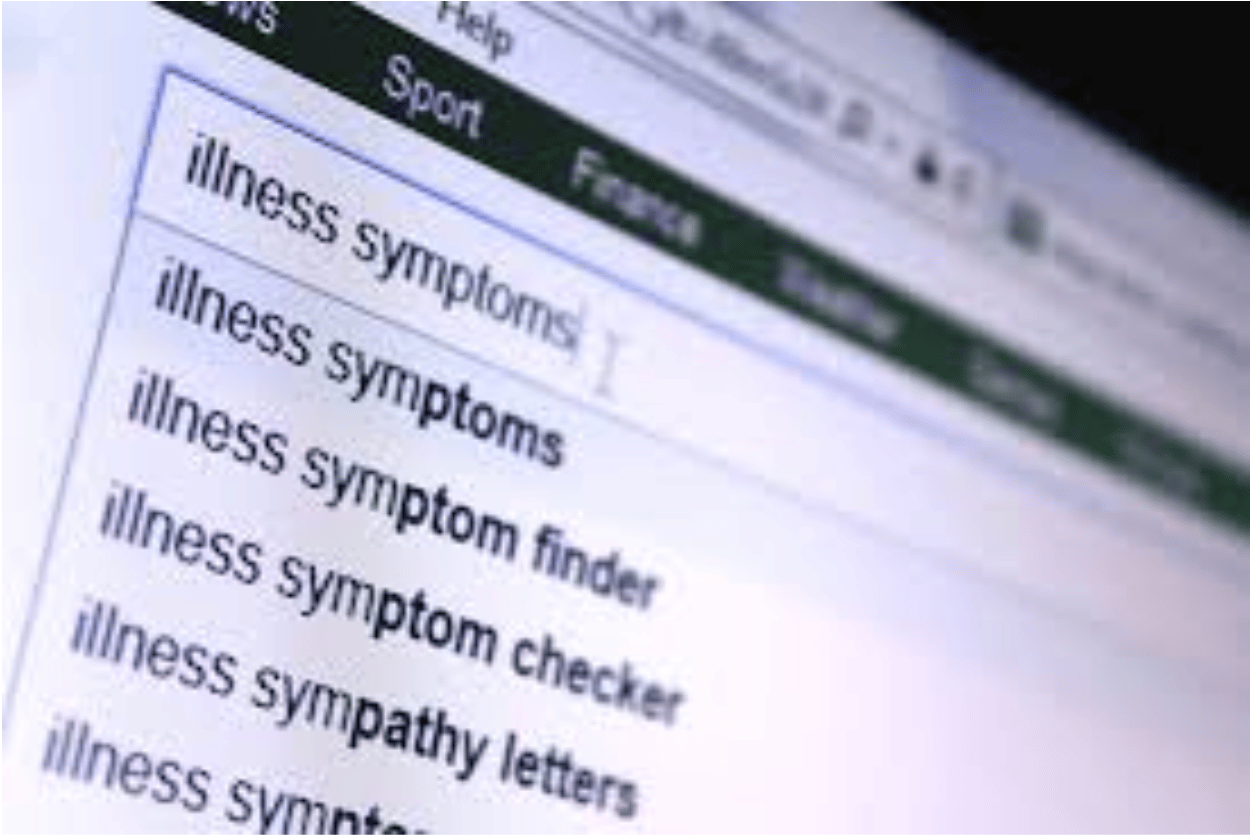
For me, it began with an itchy rash covering my entire left leg. Of course, it was the start of a long holiday weekend, so I googled my symptoms to avoid bothering my doctor..
I compared Google’s images with my rash. The diagnoses it came back were alarming, and I catastrophized until I had worked myself into a panic. That’s when I headed to urgent care.
As soon as the nurse practitioner saw me, she said it was a mild infection caused by dry winter skin. Two minutes and one over-the-counter medication later, and I was on the mend.
Dr. Google was overly thorough, but it taught me a lesson – there’s a good and not-so-good time to use it for self-diagnosis.

When it’s okay to check online

Searching for medical information shouldn’t be used for self-diagnosis or addressing emergencies – save that job for qualified healthcare professionals.
According to Healthgrades, it’s generally okay to search online, as long as you’re using reputable sources to:
Educate yourself about a confirmed diagnosis or treatment plan from your doctor.
Get advice on non-urgent or minor health concerns, such as managing mild symptoms at home, treating a bug bite, or a sore throat.
Prepare for a doctor's appointment by putting together your questions in advance.
Manage existing chronic conditions with advice on topics such as diet or exercise modifications for high blood pressure.
Find resources like nearby support groups or help with insurance.
Research specific, objective questions about symptoms (e.g., "What can cause a lump to form under my skin?" rather than "Is the lump under my skin cancer?").
These sources include:
Government health sites such as the Centers for Disease Control and Prevention (CDC) and the National Institutes of Health (NIH). Check that the article(s) were last updated before January, 2025.
Non-profit academic and medical centers like the Mayo Clinic and the Cleveland Clinic.
Major health organizations related to a specific condition (e.g., the American College of Rheumatology, the American Cancer Society).
Symptom checkers

Symptom checkers are popular and can be helpful when you need to figure out the urgency of a medical issue. Do you need to visit urgent care or go to the emergency room? What qualifies as a non-emergency, and is self-care a suitable option? Or do you want to prepare before consulting a healthcare professional?
Reliable symptom checkers are approximately 80% accurate for these decisions. Always seek advice from a medical professional when a diagnosis is necessary,
We found these reliable symptom checkers on the web:
Ada: Ada is often cited as one of the most accurate and popular AI-driven symptom checkers.
Avey: Highlighted in studies for having high diagnostic accuracy compared to others.
Isabel: Known for its clinical-grade search that allows you to input symptoms in your own words.
WebMD Symptom Checker: Good for general information gathering.
Ubie: AI-based for insights into potential conditions.
What to keep in mind
Healthgrades reports that many doctors discourage using online resources because of:
Medical needs are highly individual, depending on personal factors like medical history, underlying conditions, and lifestyle. The information a search engine provides is general and may not be safe or applicable to you.
Many conditions share similar symptoms. For example, headaches can occur due to migraine, infection, eyestrain, stroke, cancer, and more. Search engines may suggest you have the wrong condition and steer you away from seeking help. A diagnosis from a medical professional can be much more reliable.
Absolutely anyone can publish or discuss health topics online without being a qualified medical expert or conducting valid scientific research.
Googling health information may increase anxiety over health or create confusion, especially if it leads to believing you have a serious condition when you don’t.
Inaccurate search results may lead you to think nothing is wrong and delay contacting a doctor. It can also encourage you to pursue a diagnosis for a health condition that you don’t have, instead of one you may have.
Wearables 101: how to interpret your data
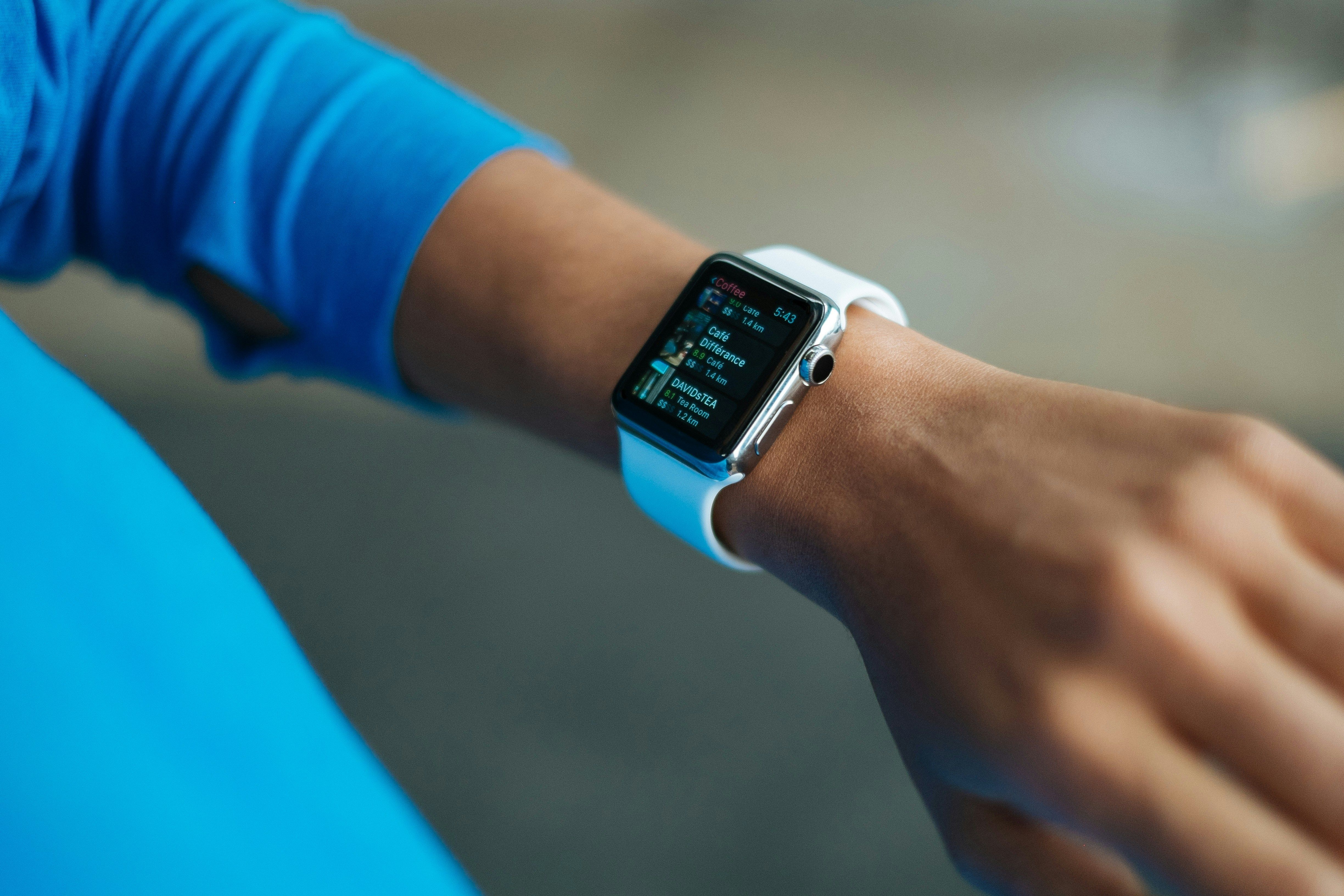
Your smartwatch is talking. Do you know what it's really saying?
It’s one thing to count steps or time your daily walk. But as fitness trackers and smartwatches have become increasingly popular, the technology has evolved with them. The result: information overload.
We know that those numbers flashing on your wrist can feel more befuddling than beneficial. Let's clear that up:
Resting heart rate is one of your most valuable metrics. A healthy range for most adults is 60–100 beats per minute, though athletes often run lower. Watch for gradual changes over weeks – a gradual rise can signal stress, poor sleep, or early illness (even a cold).
Sleep stages (light, deep, and REM) determine how rested you feel. Deep sleep is when your body repairs itself, while REM is when your mind processes and consolidates memory. If you're consistently short on either, consider adjusting your bedtime routine … not just the hour you go to bed. Aim for 7 to 9 hours a night, and limit naps to 15 to 20 minutes.
Steps and active minutes are motivating, but don't fixate on the numbers daily. Instead, look at weekly averages. A gradual upward trend over months is exactly the kind of progress that improves long-term health. See our newsletter on this topic.
One golden rule is to think ofyour wearable as a guide, not a medical device. If something concerns you, share your data with your medical professional; most devices let you export a summary.
Designing your best life: Satisfying snacking

Smart snacking is satisfying if you start with a balance:
Pair protein, fiber, and healthy fats to sustain energy and outsmart the afternoon slump.
Skip the vending machine and reach for portable, nutrient-dense options like nuts, fresh pre-cut fruit, string cheese, Greek yogurt, hard-boiled eggs, or veggie sticks with hummus.
A little prep on a Sunday makes grabbing the right snack effortless, no matter how busy life gets.
Need something sweet (other than fruit)? Mix a few chocolate chips in with a handful of nuts and some dried fruit. Or, whip up a batch of chia pudding – it’s fast, nutritious, and delicious.
Did you know…

Who would’ve guessed? A strawberry isn’t a berry…but bananas, avocados, and watermelons are!
The content provided here is for general informational purposes only and should not be considered a substitute for professional medical advice, diagnosis, or treatment. Always seek the advice of your physician or other qualified healthcare provider before making any changes to your health routine, and never disregard professional medical advice based on information you read here.
What did you think of this week's newsletter? |
Reply to this newsletter with any other feedback. We read and respond to every email.