- Tapestry
- Posts
- Steady on Your Feet
Steady on Your Feet
Better living through better balance

Pam Miller
January 29, 2026 • Estimated Reading Time: 2 minutes
Hello, dear readers. In this issue:
Easy steps to improve your balance
Standing firm
Checklist: Is your home safe?
Easy exercises to improve your balance
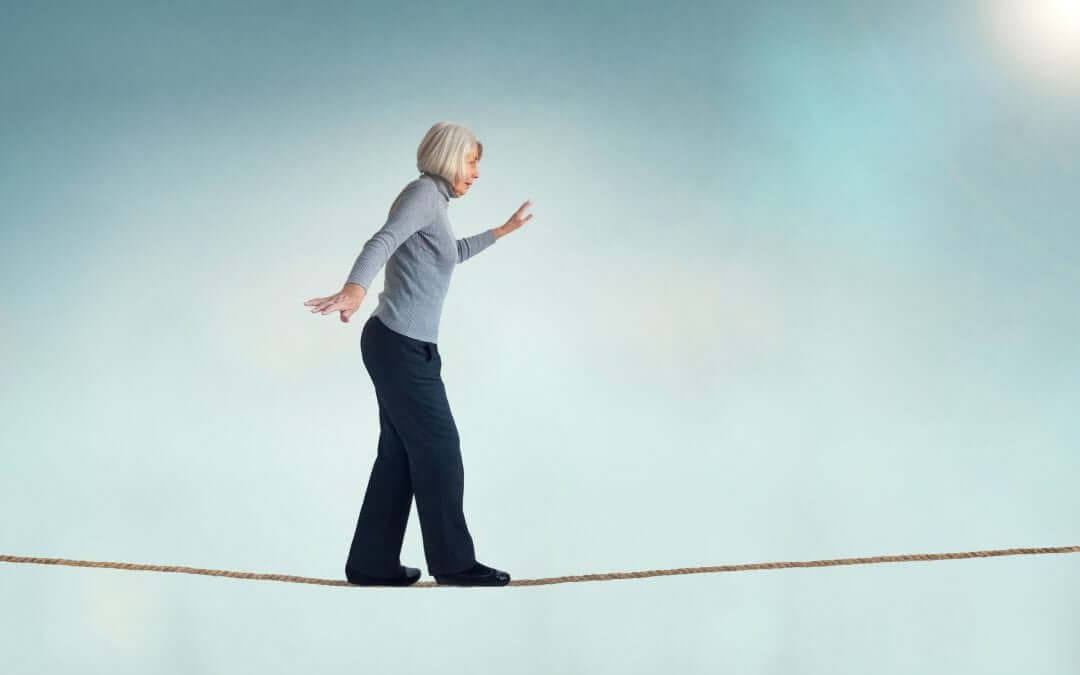
Reduce the risk of falling in a few easy steps
Remember the commercial of the older woman on the floor crying, “Help! I’ve fallen and I can’t get up.” At one point in our lives, we may’ve snickered at this, but as we age, it’s not a laughing matter.
Good balance is essential throughout our lives. For older adults, it’s particularly important to help prevent falls, a leading cause of serious injury and death for this age group.
Several factors make falls more likely and dangerous as we age. Our reaction times slow down. Bones become more fragile, increasing the risk of fractures. And recovery takes longer. A fall that might result in a bruise for a younger person could mean a broken hip and extended hospitalization for an older adult…or worse.
Related links:

Standing tall
It’s never too early or too late to improve your balance, and it has far-reaching benefits:
Independence: Good balance allows older adults to continue with daily activities like walking, climbing stairs, reaching for items, and getting in and out of chairs or the shower safely. This independence is the basis for quality of life and mental well-being.
Confidence and activity levels: When balance deteriorates, many older adults develop a fear of falling. This can create a harmful cycle; they become less active to avoid falls, but reduced activity further weakens muscles and worsens balance.
Cognitive health: Your physical balance isn't just about avoiding falls; it's connected to how well your brain works.
Balance requires your hearing, vision, skin, joints, muscles, and brain to work together. The part of the brain that controls movement also supports thinking tasks such as attention and problem-solving. When balance gets worse, it might signal that cognitive abilities are declining, too.
Studies published in the journal Frontiers in Aging Neuroscience found that:
Older adults with poor balance tend to score lower on memory and thinking tests
People with early memory problems (mild cognitive impairment) have worse balance than healthy individuals
Balance tests might help doctors spot cognitive decline early, before it becomes serious
Exercises that improve balance, like tai chi or coordination training, can actually boost both your balance and your brain function. Regular practice helps both at the same time.
Designing your best life

We asked Natasha Pono of Grounded Wellness to demonstrate some simple exercises that will improve your balance. By taking a few minutes each day, you can make great strides in building the strength, confidence, and mobility to keep you on your feet.
Checklist: Is your home safe?

Be prepared for a fall – it could save your life! No matter your age, it’s important to prevent falls. Download this checklist to see what needs attention.
The National Institute on Aging recommends that “if you’re concerned about falling, set up systems to ensure you can get help if you fall. One option is installing an emergency response system. If you fall or need emergency help, you push a button on a special necklace or bracelet to alert 911. There is a fee for this service, and it’s usually not covered by insurance.”
Other options include:
Carrying a well-charged cordless or mobile phone with you as you move throughout the house
Having family close and friends on speed dial
Setting up a smart home device (a small speaker that listens and responds to commands when you call its name) that can quickly connect you to contacts or emergency response teams; common devices are Amazon Echo (Alexa), Google Home, and Apple Siri
Using your smartwatches up to make emergency calls at the push of a button; some watches can detect sudden fall-like movements and automatically call for help. Contact your provider’s customer support, or ask family or friends for help setting up this function.
|

What did you think of this week's newsletter? |
Reply to this newsletter with any other feedback. We read and respond to every email.
And now, your moment of zen…

"Life is like riding a bicycle. To keep your balance, you must keep moving."
- Albert Einstein