- Tapestry
- Posts
- The Threads of Time
The Threads of Time
Weaving your family’s history together

Pam Miller
December 18, 2025 • Estimated Reading Time: 3 minutes
Hello, timeless readers. In this issue:
Tracing your ancestral roots
DNA testing
Getting started
No regrets
Sharing family recipes
Your moment of Zen
Tracing your ancestral roots

It’s impossible to know how many people came before us, and who’s wandering this earth whom we’re related to. Our families could include someone we studied in school, or the new family down the street. It’s a mystery, but now there’s a growing number of tools to help you unlock the past.
Genealogy is a way to better understand yourself. Who were your ancestors? What did they go through? Why does your family do that thing every holiday? These questions matter, and now they're easier to answer than ever.

DNA testing: the gamechanger

A routine spit test can reveal your ancestry and connect you with relatives you’ve never met. It can reveal information on your hereditary risks, vulnerabilities, and even nutritional needs. Most of all, DNA testing is an affordable way to gain insights that were once never possible.
DNA tests can be jaw-dropping: surprise relatives, unexpected heritage, family secrets. It can be wild, emotional, and confusing. But at the end of the day, the results make your story real.
For testing, consult your medical professional for nearby testing, or use public sites such as:
Getting started

From Forbes, some guidelines to get you started:
Access historical records: Genealogy platforms and experts pull from vast archives; census data, birth and death records, marriage certificates, immigration logs, newspapers, and military files. These records provide the backbone of your family history.
These are the top-rated genealogy platforms:
Ireicho for Japanese American descendants wishing to honor their ancestors' incarceration during WWII.
Build your family tree by entering the details you already know: parents, grandparents, relatives. Then, using advanced search tools, you’ll be able to expand your tree generation by generation.
Use DNA testing for deeper insights paired with historical research. This allows you to uncover ethnic origins, confirm family relationships, and even discover living relatives you may never have met.
Get guided research & expert help through genealogy services that offer personalized guidance so you don’t have to navigate it alone. Whether it’s interpreting old records, verifying connections, or overcoming research roadblocks, you’ll have expert support every step of the way.
Having no regrets
Interview your oldest relatives as soon as you can and record those conversations – their stories and memories are golden. There are so many questions that can arise from these conversations that you’d otherwise never think to ask. Learn more about conducting family interviews.
One day, you’ll be someone's ancestor. You can preserve your history by:
Writing down your memories
Journaling or scrapbooking.
A one-line-a-day diary.
A keepsake box with small, meaningful items like ticket stubs, trinkets, or anything else that represents your life.
Labeling photos with names and dates
Recording family conversations
Creating a family tree
Sharing what you discover online
Sharing family recipes
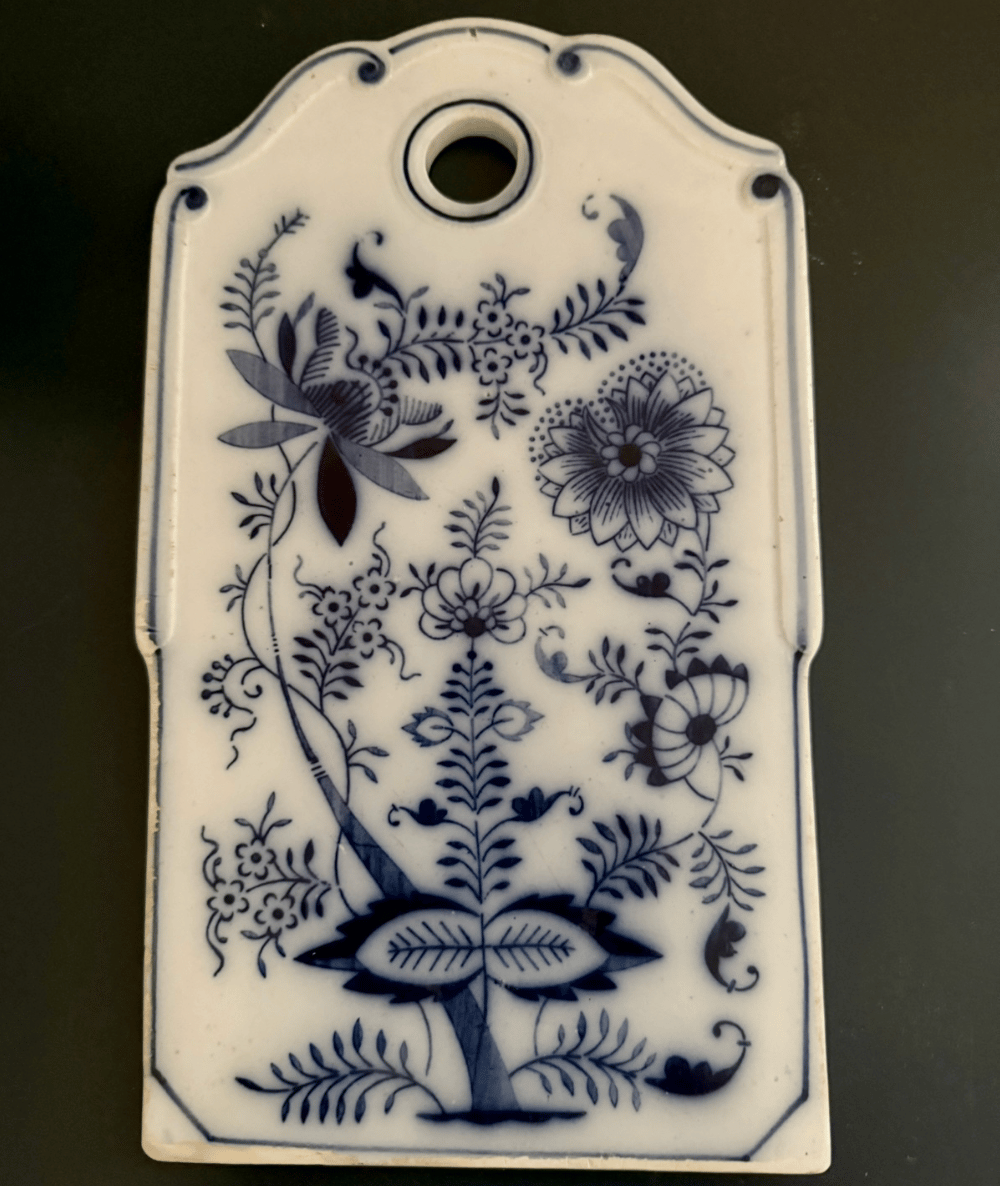
My grandfather’s spaetzle board
Recipes passed down through the generations are family heirlooms, often deeply connected to the homeland. In my family, we sadly don't have many recipes that have withstood the test of time. But the one I do cherish most is my grandfather's spaetzle, a German dumpling that's traditionally served with stews or braised meat. A year before my mother passed away, she gave me his porcelain spaetzel board, along with his recipe that came from his mother. He preferred cutting the batter into strips with a knife and sliding each into the boiling water, while most recipes call for using a spaetzle maker or a colander.
Ingredients:
1 1/2 cups flour
1/2 tsp salt
1/4 tsp baking powder
Small grating of nutmeg
2 eggs
1/2 cup water
Instructions:
Mix flour, salt, baking powder, and nutmeg in a bowl.
Make a well in the center. Add the eggs and water to the well, then stir until combined.
Bring a large pot of salted water to a boil.
Place the dough on a wet cutting board, and cut with a knife into large chunks, about ½” thick.
When spaetzle float to the top, scoop them out with a slotted spoon.
Toss with butter to prevent sticking; browned butter adds extra flavor.
My grandfather often served this with chicken paprikash, a recipe lost to the ages; this one sounds close to what he made. Be sure your paprika is fresh to make this dish zing with flavor.
Making history

Courtesy of Sandy’s Chatter
Recipe cards curled with age. Splattered pages from generations of use. Family traditions passed on through oral history. There’s a sense of sentimentality attached to these relics from our past, but now you can create your own family cookbook to give to your loved ones, preserving this part of your heritage. You’ll find many sites online to guide you through the process, and companies that will publish your work:
What did you think of this week's newsletter? |
Reply to this newsletter with any other feedback. We read and respond to every email.
And now, your moment of zen…

“In every conceivable manner, the family is linked to our past, a bridge to our future.”
— Alex Haley
We look forward to building this tapestry of experiences with you.