- Tapestry
- Posts
- What’s the Deal with Pickleball?
What’s the Deal with Pickleball?
Hint: It’s not just a sport. It’s an active community.

Pam Miller
March 12, 2026 • Estimated Reading Time: 4 minutes
Hello, active readers! In this issue:
Pickleball: America’s fastest-growing pastime
Let the games begin
Low-impact, high-reward
Are you game? (recipe)
Designing your best life: Brain gain
Moment of Zen
Meet America’s fastest-growing pastime
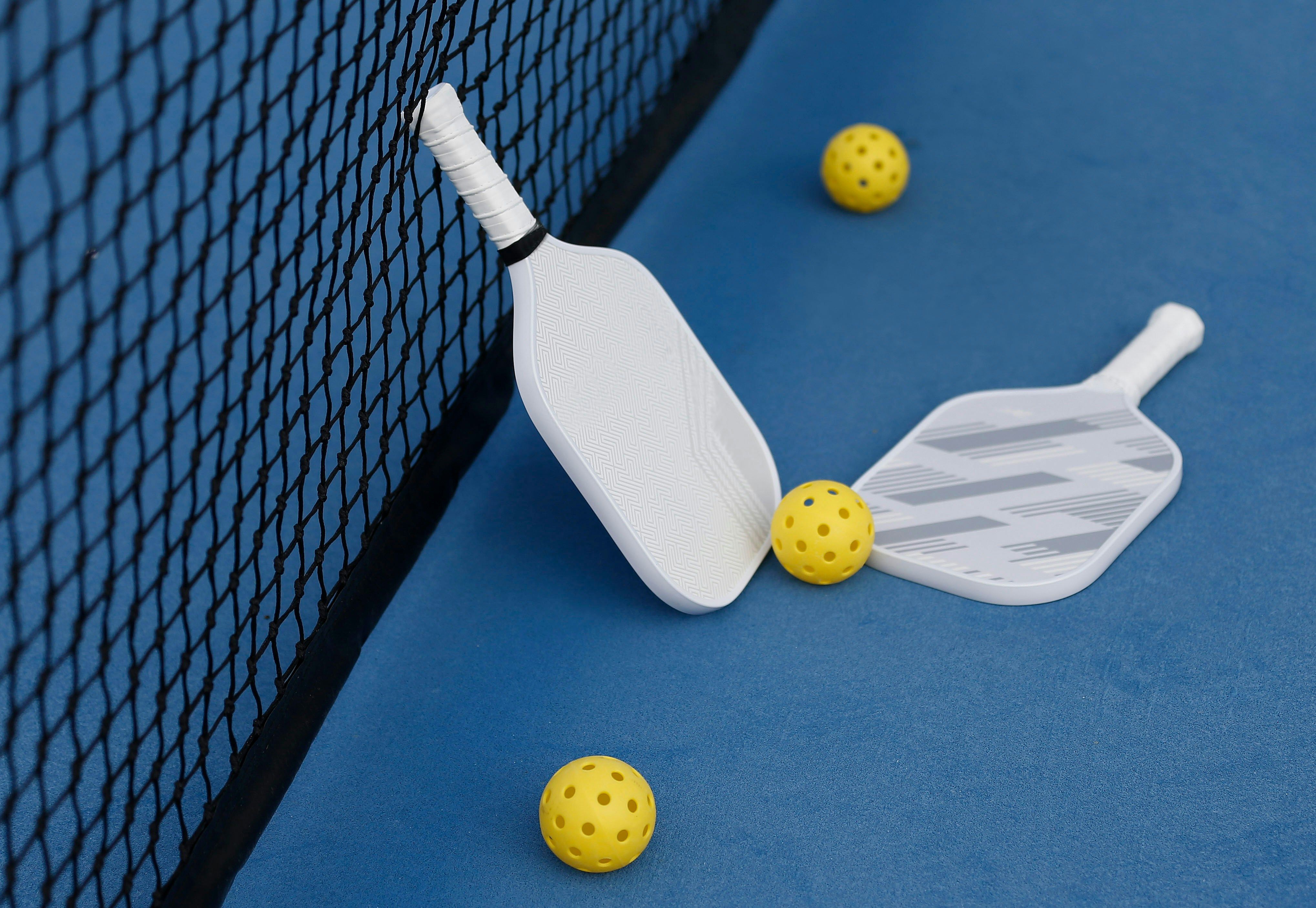
I took my first tennis lesson when I was five, and went on to play competitively in college. I couldn’t imagine anything more gratifying than swinging my racket and hearing that delicious ping when the ball hits the sweet spot. What could be better?
Apparently, pickleball.
If you've noticed outdoor courts popping up in your community or heard friends raving about their new obsession, you're witnessing the explosive growth of this sport. But what’s so compelling about it to get active adults to trade in their golf clubs and tennis rackets for pickleball paddles? I decided to find out for myself.
When I first walked into Dill Dinkers, a pickleball club in the Washington, DC, suburbs, I was struck by the distinctive popping sound of small, yellow whiffle balls hitting paddles. I also noticed there were players of every age, from little kids to octogenarians. And they all seemed like they were having fun.
As I waited for my instructor, a woman came up to me and asked if I’d like to join their game – they needed a fourth. After explaining that I’d never played before, a man overheard and extended his hand. “Welcome! This is a great game...have fun!”
By the time my instructor arrived, several other people had introduced themselves. Each was eager to fill me in on the leagues, open play for adults 50+, and the social events. That in itself was quite a revelation, but nothing compared to how I felt after my first lesson. I was instantly hooked.

Let the games begin
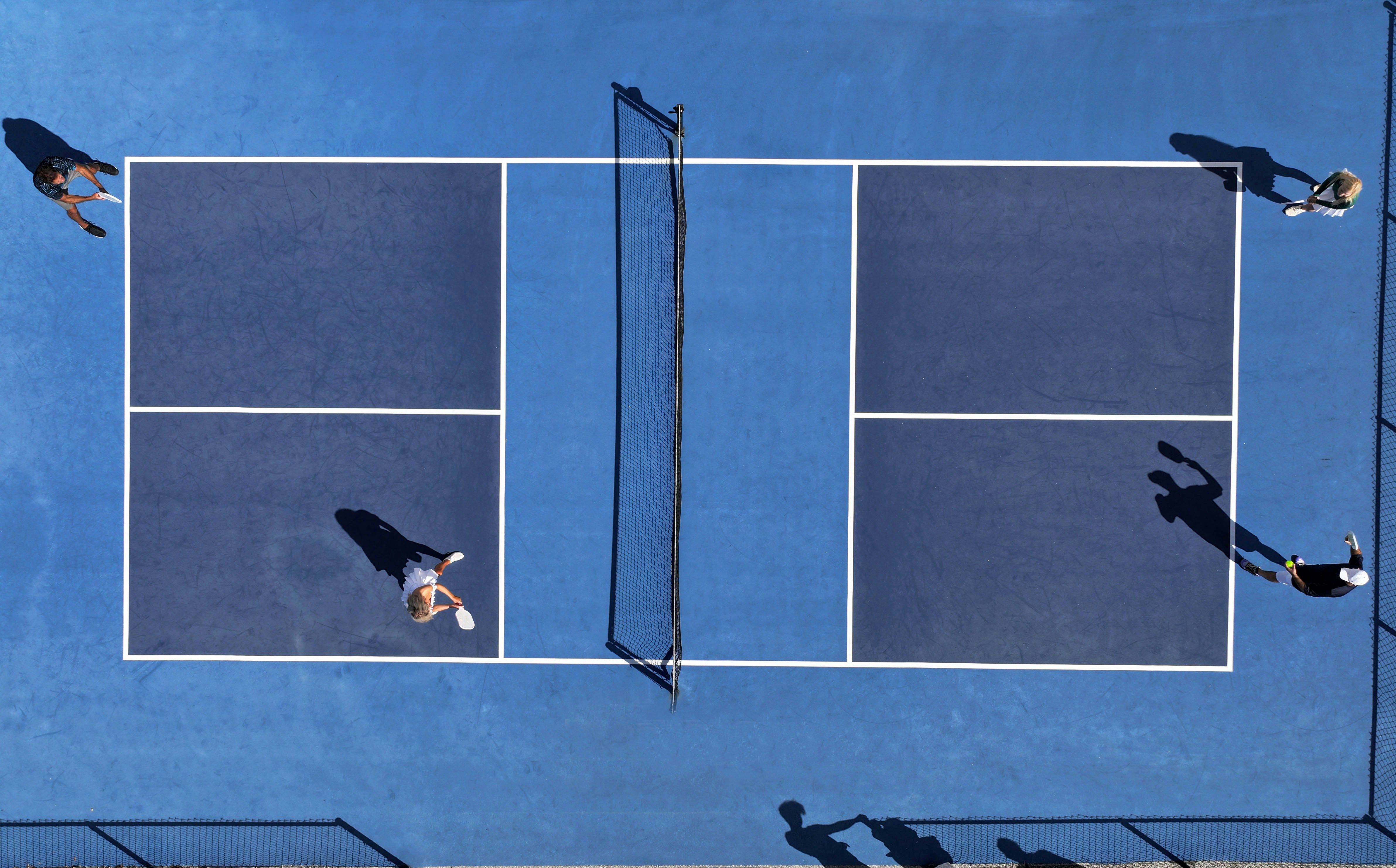
I was surprised by the court’s diminutive size – about a third of a tennis court. (Oh, good! Less running!) And the net was several inches lower.
But best of all, the learning curve seemed gentler than in tennis. Bridgit, one of my coaches, said it best, "You can pick up the basics of pickleball in about 20 minutes and just play to have fun. But it’s the strategy that keeps you learning for years."
It was easy to compare the two games:
Tennis demands explosive speed, cardiovascular endurance, and the agility to change direction on a dime. That’s in addition to perfecting an arsenal of strokes and mental toughness. It’s a great sport, but it can be taxing.
Pickleball relies on strategy and smarts rather than raw power and endurance. The smaller court means less sprinting and fewer dramatic lunges, but the challenge is very much alive.
It's less about how fast you can run and more about how fast you can think. Precise placement, a well-timed dink (a short shot that drops just over the net), or a deceptive angle can beat pure athleticism every time.
Recovering from an injury? Haven't exercised in years? No problem. Pickleball scales beautifully to your ability: play casually and socially, or get competitive. It’s up to you.
Don’t own a paddle? You can often borrow or rent one from many facilities.
Low-impact, high-reward
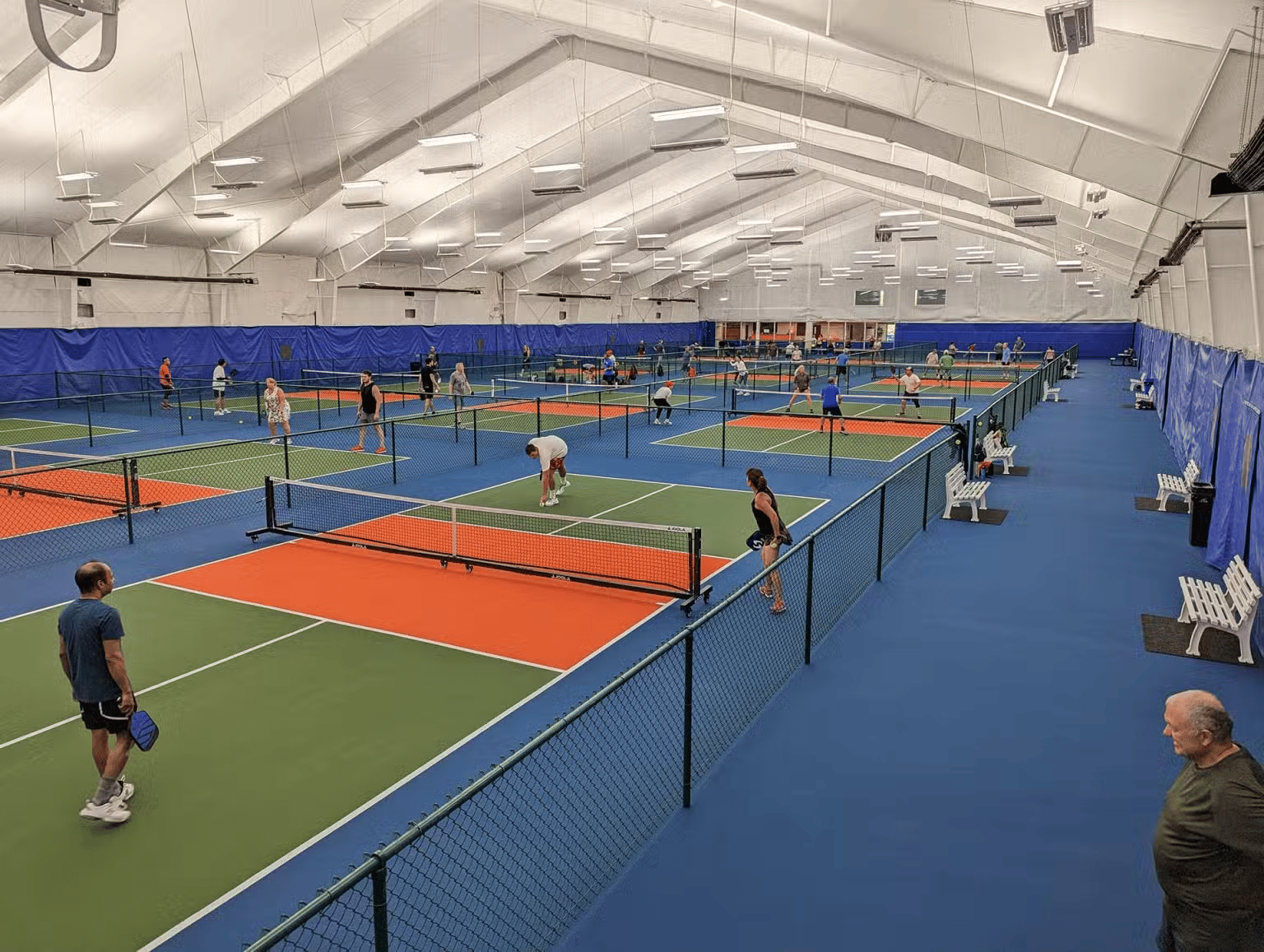
Courtesy of Dill Dinkers
Pickleball delivers a one-two punch for overall well-being. And it’s accessible: many communities offer leagues, tournaments, open play, and events, so your workout schedule quickly becomes your social calendar.
Heart pumping: A typical pickleball game gets your heart pumping. You're moving, pivoting, reaching...and laughing. Studies show that regular picklers can easily hit the recommended 150 minutes of moderate aerobic activity per week.
Strength building: Between serving, volleying, and the occasional overhead smashes, you're working your arms, shoulders, core, and legs. It's functional fitness disguised as fun, and you're building strength without ever touching a weight.
Stress busting: There's something deeply satisfying about the thwack of your paddle meeting the ball. Add in physical activity and social interaction, and you've got a powerful stress-buster.
Mood boosting: Any exercise releases endorphins. Social connection produces feel-good hormones. Pickleball checks all the boxes for natural mood elevation, and regular players often describe feeling energized and uplifted after a session.
Socially engaging: This might be pickleball's secret weapon. Walk onto a pickleball court, and you're likely to be swept into a game within minutes. The sport has a unique culture that promotes interaction. Players rotate partners, skill levels mix more easily than in tennis, and there's a genuine spirit of encouragement rather than intimidation.
Balance, coordination, and agility training: Quick back-and-forth movements improve balance and reflexes – all key to staying active and independent.
Are you game?
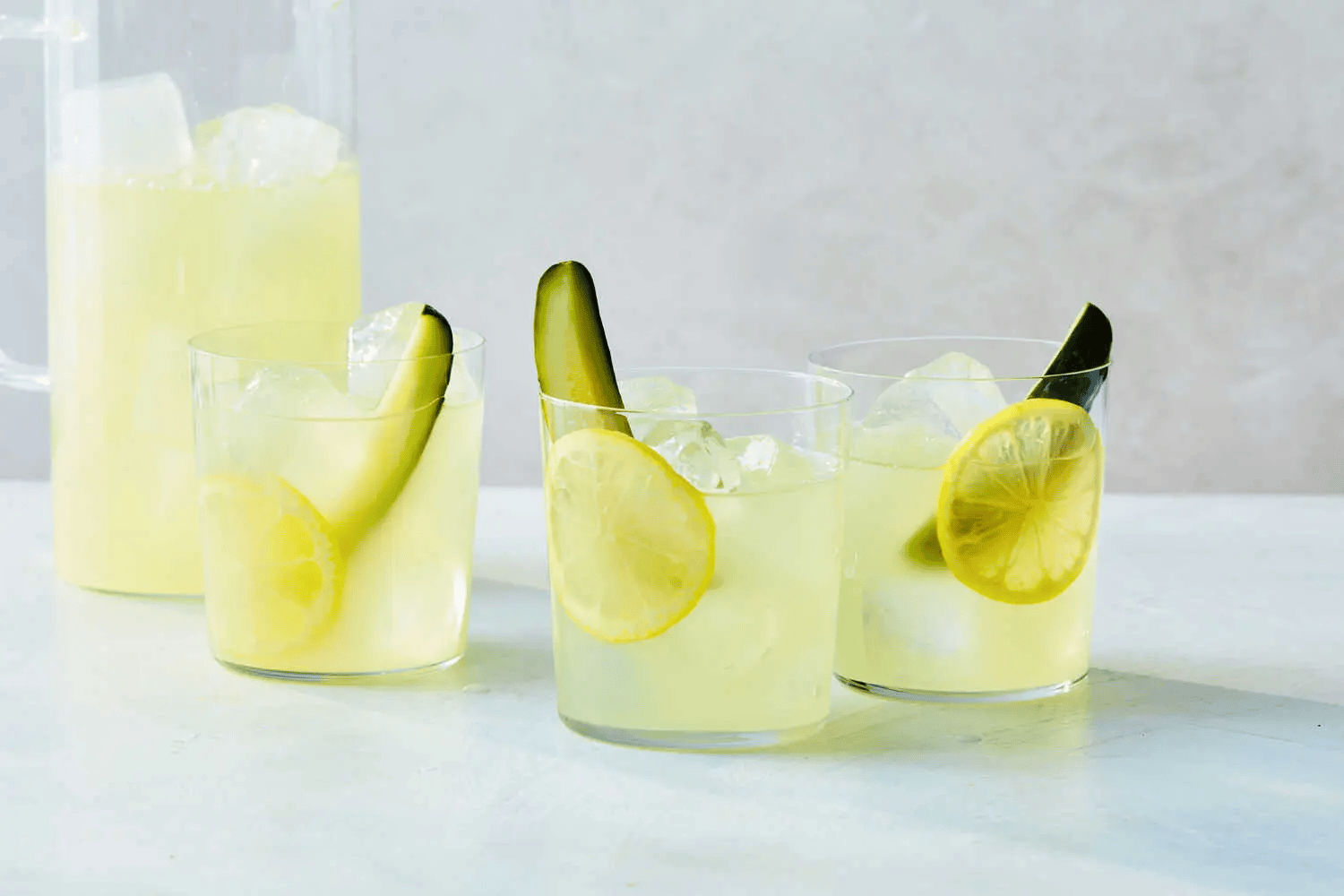
Pickle lemonade from New York Times
I wouldn’t have believed it until I tried it… reluctantly. At my daughter’s insistence, I took a sip of the pickle lemonade she made. And then I asked for my own glassful.
Much to my happy surprise, the pickle juice was undetectable, but it balanced the sweetness of the lemonade and brought out its citrus-y zing. It also adds an extra dose of electrolytes, which come in handy after any workout. Try it…you’ll like it!
Designing your best life: Brain gain
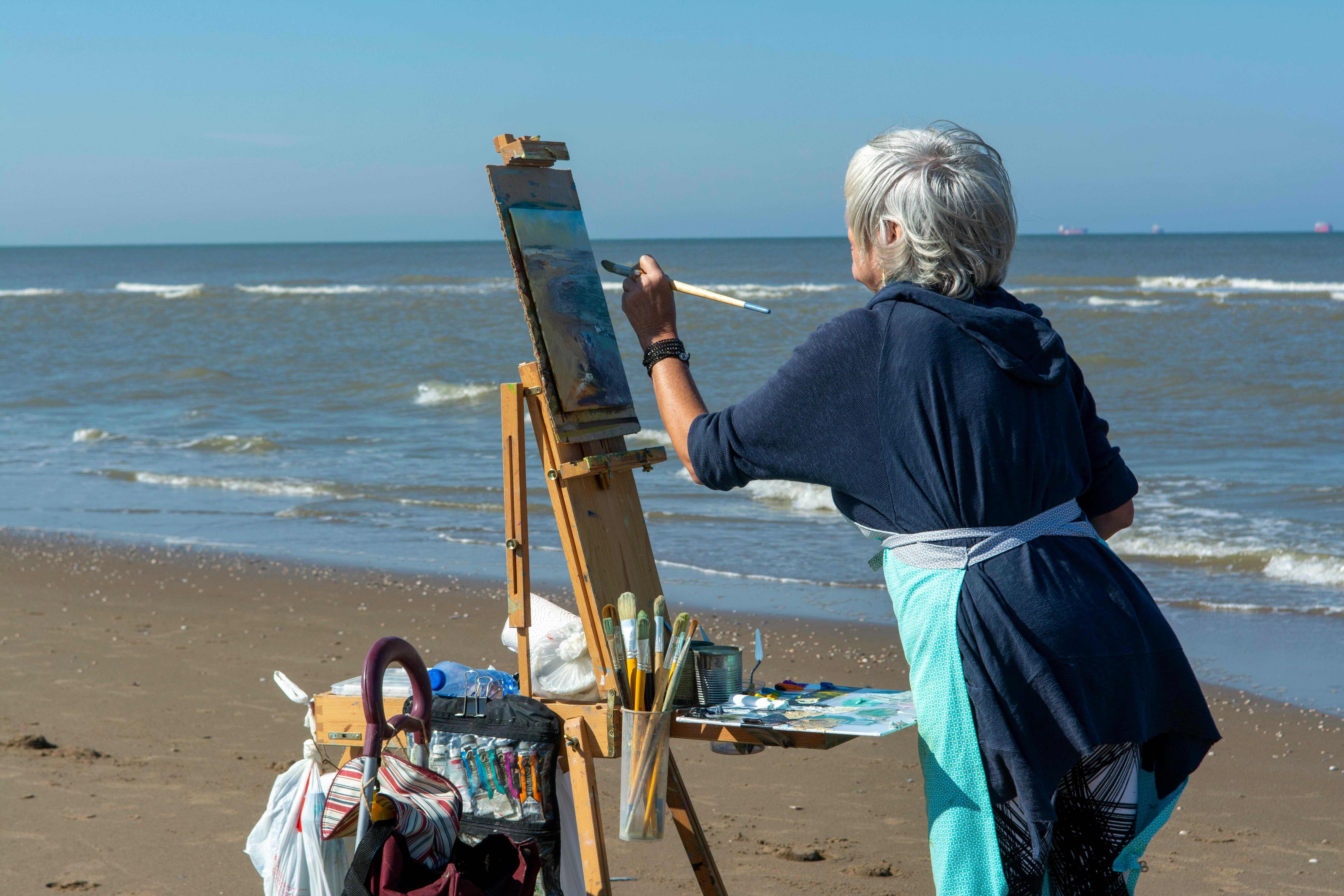
Your brain wants a new challenge. Are you listening?
There's a moment in every new skill – somewhere between frustrating and exhilarating – when something clicks. Suddenly, a guitar chord rings clean. That French phrase rolls off your tongue. Or, the pickleball lands exactly where you wanted. That moment isn't just satisfying. It's your brain lighting up in ways it genuinely needs.
Research consistently shows that learning new skills builds new neural pathways, improves memory, and may even delay cognitive decline. But the benefits go beyond brain health. Learning something new restores a sense of possibility: that exhilarating feeling that you're still evolving.
It doesn't matter what you choose: A pottery class, a coding tutorial, ballroom dancing, a new language. The subject is almost beside the point. The mere act of showing up is what does the work.
So what have you been putting off learning? Consider this your nudge.
The content provided here is for general informational purposes only and should not be considered a substitute for professional medical advice, diagnosis, or treatment. Always seek the advice of your physician or other qualified healthcare provider before making any changes to your health routine, and never disregard professional medical advice based on information you read here.
What did you think of this week's newsletter? |
Reply to this newsletter with any other feedback. We read and respond to every email.
And now, your moment of Zen…

"Look deep into nature, and then you will understand everything better."
- Albert Einstein